
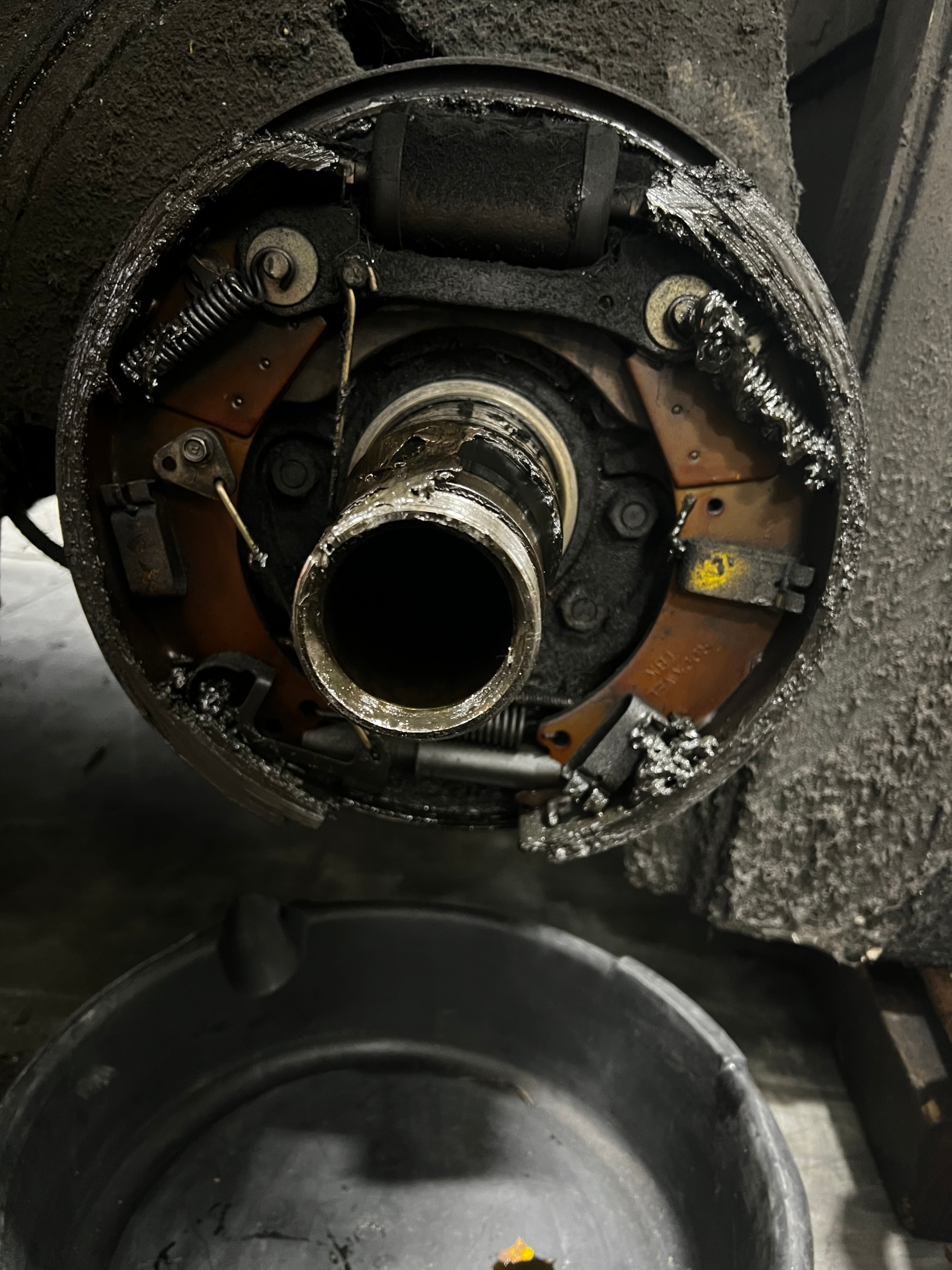
Forklifts are the backbone of warehouses, manufacturing plants, and distribution centers. They move heavy loads through tight aisles, crowded docks, and high-traffic work areas every day. While operators often focus on lift capacity, tires, or hydraulics, one of the most critical—and often overlooked—systems is the braking system.
Forklift brakes are not just another maintenance item. They are a frontline safety system that protects operators, pedestrians, inventory, and facilities. Regular inspection and timely repair are essential to keeping operations safe, compliant, and cost-effective.
How Forklift Brakes Work (and Why They Wear Out)
Most forklifts use drum brakes or disc brakes, depending on the model and application. These systems rely on friction to slow and stop thousands of pounds of combined truck and load weight. Over time, that friction causes wear.
Several factors accelerate brake wear:
- Heavy or frequent loads
- Stop-and-go operation
- Ramps, inclines, and dock plates
- Dusty or abrasive environments
- Hydraulic fluid leaks contaminating brake components
Unlike passenger vehicles, forklifts often operate continuously for long shifts, meaning brake components can wear faster than many operators expect.
Warning Signs of Brake Problems
Brake issues rarely fail without warning. Knowing the signs can prevent accidents and costly downtime.
Common symptoms include:
- Increased stopping distance
- Spongy or soft brake pedal
- Pedal going too low or to the floor
- Pulling to one side when braking
- Grinding, squealing, or abnormal noises
- Burning smells after operation
- Hydraulic fluid leaks near wheels or axles
Ignoring these signs puts everyone at risk.
The Safety Risks of Neglected Forklift Brakes
Faulty brakes dramatically increase the chance of:
- Collisions with pedestrians or other equipment
- Tip-overs, especially when carrying elevated loads
- Runaway forklifts on ramps or dock plates
- Dropped or damaged loads
- Serious injuries or fatalities
From a regulatory standpoint, operating a forklift with defective brakes can also violate safety standards and expose companies to fines, lawsuits, and insurance claims.
Why Routine Brake Inspections Matter
Brake inspections should be part of both daily operator checks and scheduled professional maintenance.
Daily Operator Checks
Operators should verify:
- Firm pedal feel
- Normal stopping distance
- No warning lights or alarms
- No unusual noises
Catching issues early can prevent major repairs later.
Scheduled Maintenance Inspections
Certified technicians can:
- Measure brake shoe or pad thickness
- Inspect drums, rotors, and calipers
- Check hydraulic lines, wheel cylinders, and master cylinders
- Identify leaks or contamination
- Adjust braking systems to manufacturer specifications
Routine inspections extend brake life and reduce unexpected failures.
The True Cost of Delaying Brake Repairs
Some businesses delay brake repairs to avoid downtime or expense—but this often backfires.
Delaying repairs can lead to:
- More expensive component replacement
- Damage to axles, hubs, or transmissions
- Increased accident risk
- Lost productivity due to unscheduled breakdowns
- Higher workers’ compensation and liability costs
Preventive brake service is almost always cheaper than emergency repairs or accident recovery.
Best Practices for Forklift Brake Maintenance
To keep your fleet safe and reliable:
- Train operators to report brake issues immediately
- Follow manufacturer-recommended service intervals
- Address hydraulic leaks promptly
- Keep forklifts clean to reduce contamination
- Use qualified technicians for inspections and repairs
- Document brake inspections and service history
A proactive approach protects both people and equipment.
Final Thoughts
Forklift brakes are a mission-critical safety system, not a “fix-it-later” component. Regular inspection and timely repair reduce accidents, prevent downtime, and extend the life of your equipment. In environments where forklifts operate near people, racks, and valuable inventory, reliable brakes are non-negotiable.
Investing in brake maintenance isn’t just about compliance—it’s about protecting lives, assets, and your operation’s bottom line.