
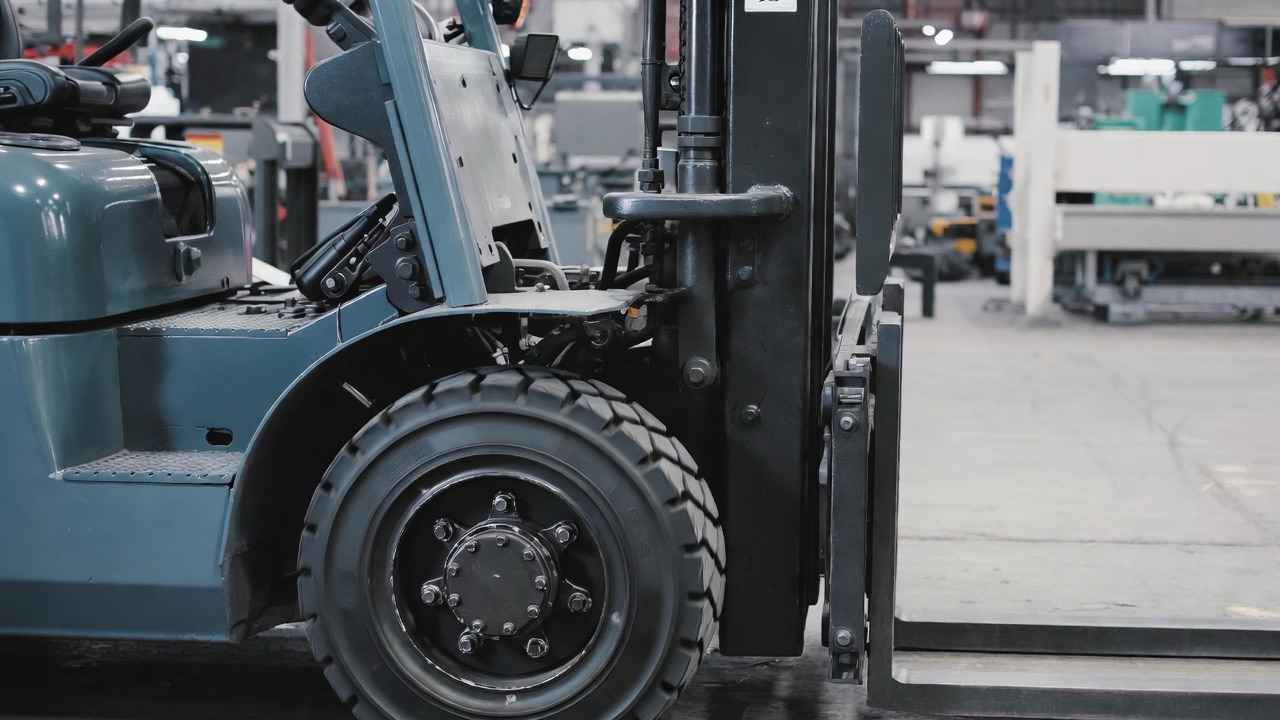
The transmission is one of the most critical—and expensive—components on a forklift. It is responsible for transferring engine power to the drive wheels, allowing the truck to move smoothly under load, change direction, and operate safely in demanding environments. When transmission problems arise, performance suffers quickly, downtime increases, and safety risks escalate.
Regular transmission service and timely repairs are essential to keeping forklifts reliable, productive, and cost-effective.
What a Forklift Transmission Does
Forklift transmissions are designed to handle heavy loads, frequent direction changes, and constant low-speed operation. Depending on the truck, transmissions may be automatic, powershift, or hydrostatic, often working in combination with a torque converter or hydraulic drive system.
The transmission:
- Transfers engine power to the drive axle
- Allows smooth forward and reverse operation
- Maintains controlled speed under load
- Absorbs shock during starts and direction changes
Because forklifts operate differently than road vehicles, their transmissions experience unique stresses that demand specialized maintenance.
Common Causes of Transmission Problems
Forklift transmissions operate under constant strain. Over time, wear and contamination can cause failures if not addressed early.
Common causes include:
- Dirty or degraded transmission fluid
- Overheating from heavy or continuous use
- Worn clutches or bands
- Failing torque converters
- Internal seal leaks
- Improper fluid levels
- Lack of routine servicing
Even small issues can quickly lead to major transmission damage if ignored.
Warning Signs of Transmission Trouble
Transmission problems often develop gradually and provide warning signs before complete failure.
Watch for:
- Delayed or harsh engagement when shifting
- Slipping or loss of drive under load
- Unusual whining, grinding, or vibration
- Overheating or burnt-smelling fluid
- Fluid leaks near the transmission or axle
- Reduced travel speed or pulling power
Any of these symptoms should be addressed immediately to prevent costly repairs.
Safety Risks of Ignoring Transmission Issues
A failing transmission isn’t just a performance problem—it’s a serious safety concern.
Neglected transmission issues can lead to:
- Sudden loss of movement on ramps or docks
- Uncontrolled rolling or drifting
- Inability to stop or change direction quickly
- Increased collision risk Load instability
Reliable drivetrain performance is critical in busy warehouses and tight operating spaces.
What Forklift Transmission Service Includes
Routine transmission service is designed to prevent failures and extend component life. Professional service may include:
- Transmission fluid inspection and replacement
- Filter replacement System pressure testing
- Torque converter inspection
- Cooler and line inspections
- Leak detection and seal replacement
- Software or calibration checks on newer models
Regular service keeps the transmission operating within manufacturer specifications.
Transmission Repair vs. Replacement
When problems are caught early, many transmission issues can be repaired without full replacement.
Transmission Repair
- Seal and gasket replacement
- Clutch or band adjustment
- Valve body service
- Torque converter repair
Transmission Replacement or Rebuild
- Required for severe internal damage
- Often caused by long-term neglect or contamination
- Significantly more expensive than preventive service
Early intervention can save thousands in repair costs.
The Cost of Delaying Transmission Service
Delaying transmission maintenance often results in:
- Complete transmission failure
- Damage to axles or driveline components
- Extended downtime
- Higher labor and parts costs
- Lost productivity
Routine service is far less expensive than emergency transmission replacement.
Best Practices for Forklift Transmission Care
To maximize transmission life:
- Follow manufacturer service intervals
- Monitor fluid condition and levels regularly
- Address leaks immediately
- Avoid excessive overheating
- Train operators to report performance changes
- Maintain accurate service records
Consistent maintenance is the key to long-term reliability.
Final Thoughts
Forklift transmission service and repair are essential to maintaining safe, efficient material handling operations. The transmission is what turns engine power into controlled movement—and when it fails, everything stops.
By investing in regular transmission inspections, proper servicing, and timely repairs, businesses protect their equipment, reduce downtime, and ensure forklifts remain dependable workhorses instead of costly liabilities.